How does Inner Healing actually work?
 |
| Deliverance and Inner Healing Training Video |
On Sunday, we finished our series on Deliverance and Inner Healing that we called "Practical Freedom Ministry." The final sermon covered inner healing, and I can tell by the response that many people felt that it was a needed sermon. Unfortunately, I had to cut quite a bit from the sermon, so I wanted to use this email to fill in a few gaps.
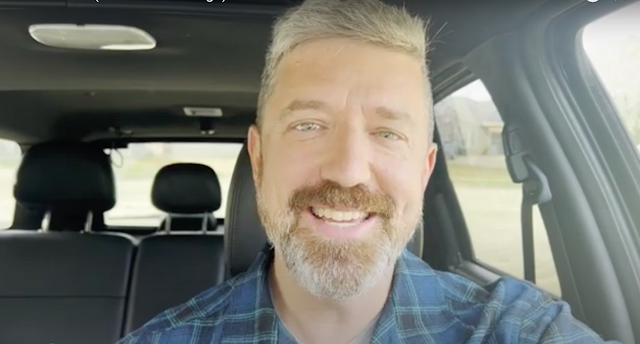
First of all, I created a video last year to send to our ministry partners in Kenya, training pastors how to do a Practical Freedom Ministry session the way I do it. You can find that video here: Practical Freedom Ministry training video
During my sermon last Sunday, I wasn't able to cover one of the most common forms of inner-healing ministry. You may have heard it called Sozo, but it hasn't always been called that. It is a practice of having a person visualize the moment of their trauma. Then the person leading the time will ask, "Okay, now where is Jesus in that moment?" The person who is visualizing the trauma will almost always see Jesus somewhere in the room. Then the person leading the session will say, "What is Jesus thinking, saying, feeling?" or "What expression does he have on his face?" The person will usually see that Jesus is sad about the traumatic thing that the person is going through.
Sometimes the person leading the session will have the person ask Jesus what he thinks about the situation or about the person him or herself. Sometimes the person leading the session will have the other person speak directly to the younger version of him or herself in the moment of their trauma. Usually, when the person begins to speak to the younger self, it is deeply emotional, and profoundly healing. In fact, this form of inner healing appears to work incredibly well.
You may have heard this form of inner healing disparaged. You may have heard people glow about it. You may have been through this type, and you may be the person leading others through this type. I'm not a professional, and what I am about to say is only my opinion based on what I know. Though I don't use this method, I believe it's not bad, and it actually works (and I actually gave it a show with someone just this week).
It's easy to see why this works when you see what other psychologists do to help people. Another practice is to have the person think about a moment in their life that was good or pleasant. Then you have the person actively remember the moment of trauma. Once they begin to relive the traumatic moment in a triggered state, you have them actively remember that first pleasant moment they had already through about. The person is able to do this seemingly simple task. Then you have them reimagine the trauma, and once they are triggered, have them reimagine the pleasant memory. This back and forth between the trauma and something pleasant seems simple, and it is, but what it is doing is training the person how to actively leave the triggered moment by thinking of something else. Simple, yet effective. It also creates neuro-pathways, which (to put it in language that I understand) helps the isolated, triggered parts of their brain reconnect with the rest of their brain.
If that's what is done in a secular situation, it's not hard to imagine why the other form of inner healing that I described is also effective. When a person goes back to the traumatic moment and then actively looks for Jesus in the room, that's essentially taking a thought captive and actively thinking of Jesus. When they ask Jesus what he thinks of feels, that is effectively having the person pray WHILE they are feeling triggered. Having the person speak to their younger self is similar in that they are going "back" to the moment, but they are carrying all of the rationality and knowledge of the Lord that they have gained over the years, and they are speaking into their own trauma. It reforms the pathways. It actually helps them process the otherwise unprocessed trauma.
My method is to "speak to the broken parts." It's not much different. I speak to the part of a person that is still stuck in that traumatic moment, and I share the good news of Jesus.


Comments
Post a Comment